
Table of Contents
- Essential River and Rafting Safety Equipment
- Personal Flotation Devices and Life Jackets
- What to Wear River Rafting: Clothing and Protection Layers
- Wetsuit vs. Drysuit for Kayaking: Choosing Your Water Protection
- River Paddling Safety Gear: Helmets, Footwear, and Rescue Equipment
- River Trip Gear Checklist: Packing Essentials and Storage
- Technical Gear for River Life: Layering, Temperature Planning, and Trade-Offs
- Frequently Asked Questions
Last Updated: October 18, 2026
Essential River and Rafting Safety Equipment
When you're heading out for a day on the water, whether you're paddling a kayak, floating a river, or tackling whitewater, the gear you bring determines how safe and comfortable your experience will be. Technical gear for river life isn't just about looking the part; it's about having the right equipment to handle unexpected conditions and keep yourself protected from the elements.
The foundation of any river trip starts with safety equipment. A personal flotation device (PFD) is non-negotiable. Beyond that, you'll want a whistle for signaling, a throw bag for river rescue situations, and a river knife for cutting tangled lines or gear. A first-aid kit designed for water activities should be waterproof and accessible.
What separates experienced river enthusiasts from casual paddlers is preparation. Proper technical gear for river life transforms what could be a stressful day into a manageable adventure. The gear you choose should match your specific activity, float trips differ from whitewater rafting, which differs from kayaking in cold water.
Consider your water temperature and weather forecast before packing. Cold water demands different protection than warm summer floats. The gear essentials list changes based on whether you're doing a multi-day camping trip or a few hours on a calm section. Your safety equipment should always be accessible, not buried at the bottom of a dry bag.
Personal Flotation Devices and Life Jackets
A personal flotation device is the single most critical piece of technical gear for river life you'll own. A PFD keeps you afloat if you end up in the water unexpectedly, which is not a matter of if but when you spend enough time on rivers.
Not all PFDs are created equal. Kayaking PFDs differ from rafting PFDs in cut and mobility. A kayaking PFD needs arm mobility for paddling strokes, while a rafting PFD prioritizes flotation and durability. Life jackets designed for fishing offer accessible pockets and attachment points.
Look for a PFD with multiple adjustment points so it fits snugly without restricting movement. A loose PFD can ride up in the water, leaving your torso exposed. Check that the armholes aren't so tight they limit your paddling motion. Test it in shallow water before committing to a multi-day trip.
Most serious river paddlers prefer Coast Guard-approved Type III PFDs, which offer a balance of comfort and flotation. Inflatable PFDs provide less bulk but require maintenance and can fail if punctured. For whitewater and technical rivers, a foam PFD is more reliable.
What to Wear River Rafting: Clothing and Protection Layers
The right clothing system is what separates an enjoyable day from a miserable one. Technical gear for river life includes layering strategically so you stay warm when wet and dry when possible.
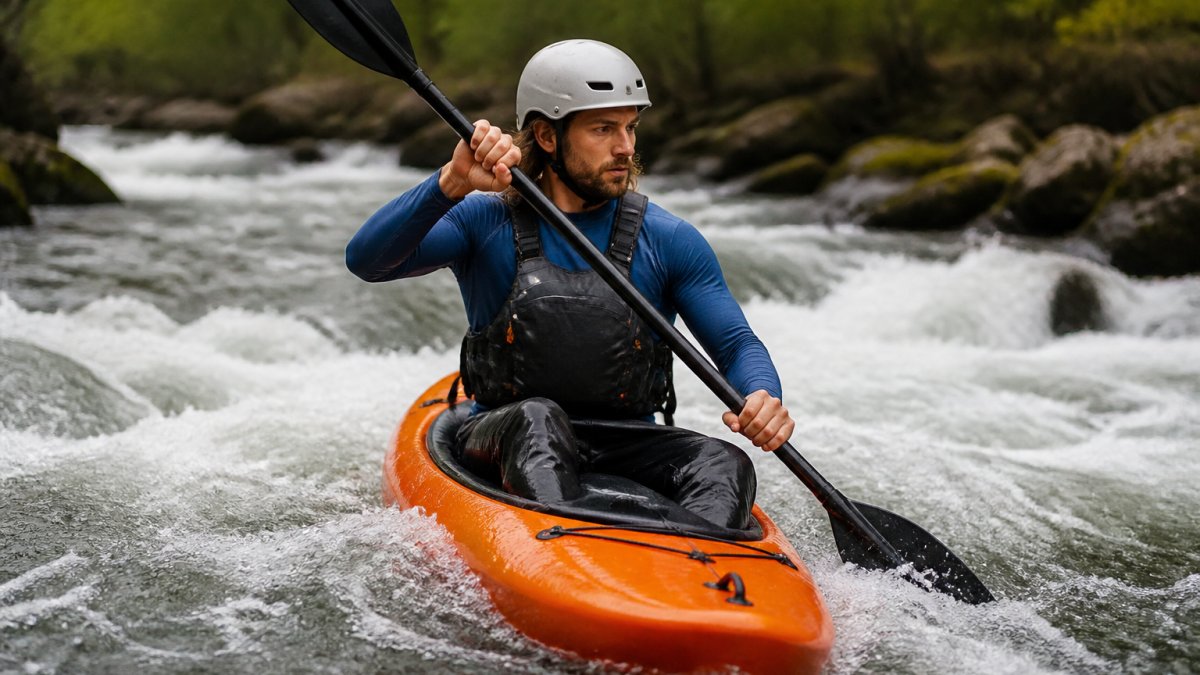
Start with a base layer that wicks moisture away from your skin. A [rash guard like the Spectrum | Men's Rash Guard](https://riverlifeusa.com/products/spectrum-mens-rash-guard) provides sun protection and prevents chafing from paddle strokes.

A splash jacket or rain jacket adds a protective outer layer without the bulk of a full wetsuit. These shed water while allowing sweat to escape, keeping you comfortable during active paddling.
Water shoes are essential. River rocks are sharp, and slippery surfaces demand footwear with grip. Sandals with secure straps work for calm floats, but anything technical demands shoes designed for wet terrain.
Sun protection matters more on the water than on land because water reflects UV rays upward. A long-sleeve rash guard blocks most sun damage.
Wetsuit vs. Drysuit for Kayaking: Choosing Your Water Protection
Cold water demands serious protection. The choice between a wetsuit and drysuit depends on water temperature, trip duration, and your cold tolerance.
A wetsuit allows water to enter but traps a thin layer against your skin, which your body warms. Wetsuits are less expensive, more durable for rough use, and easier to put on. They work well for water temperatures above 50°F.
A drysuit keeps water out entirely, which is essential for water below 50°F or for extended immersion. Drysuits cost significantly more and require careful maintenance, seals degrade and can leak. They're bulky and restrict movement compared to wetsuits.
The real decision comes down to water temperature and trip length. A short float trip in 55°F water? A 3mm wetsuit is fine. A multi-day expedition in 45°F water? A drysuit with proper undergarments is necessary.
Layering under a drysuit matters as much as the suit itself. Synthetic or wool layers provide insulation even when damp. Cotton will kill you, it absorbs water and loses all insulation properties. A proper drysuit system includes a base layer, mid-layer, and the suit itself.

River Paddling Safety Gear: Helmets, Footwear, and Rescue Equipment
A helmet protects your head from rocks, branches, and impacts during capsizes. For calm rivers, many paddlers skip helmets. For anything with current or obstacles, a helmet is mandatory. Whitewater paddlers always wear helmets, the consequences of head injuries are severe.
Choose a helmet designed for water sports, not climbing or cycling. Water helmets have drainage holes and secure chin straps that won't strangle you if you're submerged. The fit matters, a loose helmet shifts during impacts and offers no protection. A tight helmet causes headaches.
Footwear takes abuse on rivers. Water shoes with aggressive tread prevent slipping on wet rocks. Neoprene booties add warmth for cold water.
Rescue gear includes a throw bag (a rope in a compact bag you can deploy quickly), a whistle for signaling, and a river knife for cutting entangled lines.
A first-aid kit designed for water activities should be waterproof and include supplies for blisters, cuts, and minor injuries. Larger expeditions warrant a more comprehensive medical kit. Keep medications in waterproof containers. Include blister treatment, foot problems escalate quickly on multi-day trips.
River Trip Gear Checklist: Packing Essentials and Storage
Organization determines whether your gear stays dry and accessible. A dry bag system keeps essentials protected while allowing quick access to frequently used items.
| Item Category | Essential Items | Storage Method |
|---|---|---|
| Safety | PFD, helmet, whistle, throw bag | Worn or immediately accessible |
| Protection | Rash guard, splash jacket, wetsuit/drysuit | Worn or top of main pack |
| Footwear | Water shoes, backup socks | Strapped to exterior or worn |
| Sun Protection | Sunscreen, hat, sunglasses with strap | Accessible pocket or dry bag |
| Navigation | Map, compass, GPS device | Waterproof case in accessible dry bag |
| Emergency | First-aid kit, multi-tool, river knife, headlamp | Accessible dry bag or personal kit |
| Food & Water | Snacks, electrolyte drink, water bottle | Cooler or insulated dry bag |
| Camping (multi-day) | Tent, sleeping bag, pad, cooking gear | Separate dry bags by weight |
Dry bags come in different sizes. A 5-liter bag holds a change of clothes. A 20-liter bag holds a sleeping bag. Stack bags strategically in your boat or pack so weight is balanced and heavy items are low. Waterproof cases protect electronics better than dry bags but add weight.
For day trips, a small dry bag with essentials, sunscreen, snacks, first-aid supplies, is sufficient. For multi-day expeditions, organize gear into separate bags by category. This prevents you from unpacking everything to find one item. Color-coded bags help team members locate gear quickly.
Label your bags clearly. In the chaos of a rescue or camp setup, you need to find gear fast. Use waterproof tape and permanent markers. Include your contact information on larger bags in case gear is separated from your group.
Technical Gear for River Life: Layering, Temperature Planning, and Trade-Offs
The most common mistake paddlers make is underdressing. You feel warm before you get on the water. Once you're wet and moving, temperature drops rapidly.
Water temperature determines your entire gear strategy. Warm water (above 70°F) requires minimal protection, swim clothes and sun protection suffice. Cool water (60-70°F) demands a rash guard and water shoes.
Layering works because multiple thin layers trap air better than one thick layer. The Float Trip Squad | Men's Rash Guard serves as an excellent base layer, the four-way stretch moves with your body, and recycled polyester dries quickly between layers.
Budget constraints force trade-offs. A quality PFD costs more than a cheap one, but it's worth the investment because you'll wear it consistently. A basic rash guard works fine for warm water.
Most paddlers build their gear collection over time rather than buying everything at once. Start with a PFD, helmet, and water shoes. Add a rash guard for sun protection.
The trade-off between mobility and protection affects every decision. A thick neoprene wetsuit provides warmth but restricts movement. A thin rash guard allows full mobility but offers minimal thermal protection.
Preparing for a river adventure means investing in technical gear for river life that matches your specific conditions and activity. The gear you choose reflects your experience level and your respect for the river's power.
Frequently Asked Questions
What should you wear when river rafting?
Wear quick-drying layers starting with a rash guard or base layer for sun and chafe protection, add a wetsuit or splash jacket for water temperature control, and pair with water shoes for grip on slippery terrain. A personal flotation device and helmet are mandatory safety equipment. Choose materials like recycled polyester and elastane that stretch, dry fast, and resist UV damage. Avoid cotton, which stays wet and loses insulation.
Do you need a wetsuit or drysuit for river paddling?
Water temperature determines your choice. Use a wetsuit for water above 60°F, it allows water in, traps a thin layer against your skin, and provides insulation through body heat. Choose a drysuit for cold water below 50°F or extended trips; it keeps you completely dry and works with layers underneath. For moderate conditions (60-70°F), a splash jacket or rash guard often suffices. Always check your local river conditions before deciding.
What river paddling safety gear should you bring on a trip?
Carry a Coast Guard-approved personal flotation device rated for your weight, a helmet, a whistle attached to your PFD, a throw bag for water rescue, a river knife for cutting rope, and a first-aid kit waterproofed in a dry bag. Include sun protection like polarized sunglasses with a retention strap, sunscreen, and a wide-brimmed hat. For multi-day trips, add emergency signaling devices and a repair kit.
How should you layer clothing for cold-water paddling?
Start with a moisture-wicking base layer like recycled polyester (rash guards work well), add an insulating mid-layer such as a wetsuit or fleece, then top with a splash jacket or drysuit for wind and water protection. Remove layers if you overheat during paddling. Bring an extra dry layer in a waterproof dry bag for after your trip. Test your layering system on shorter trips before committing to multi-day expeditions in cold conditions.
What gear essentials should be on a river trip gear checklist?
Must-haves include a PFD, helmet, water shoes, quick-dry clothing, sunscreen, and a first-aid kit. Add a dry bag for valuables and extra clothes, a throw bag, a whistle, and a river knife. Bring plenty of water and snacks to stay hydrated and energized. For multi-day trips, pack a sleeping bag, tent, cooking gear, and a headlamp. Organize everything in waterproof storage to keep gear dry and accessible during your river adventure.
How do I choose the right fit for technical river gear?
Most technical rash guards and base layers come slim-fitted; sizing up one size provides a more comfortable, relaxed fit that allows full range of motion for casting and paddling without restriction. Check that sleeves reach your wrists, the torso covers your lower back when leaning forward, and seams sit flat to prevent chafing. Wetsuits should fit snugly without bunching; drysuits need room for layering underneath. Always rinse gear after use to remove chlorine and salt residue, which extends durability significantly.
What's the difference between splash jackets and drysuits for river gear?
Splash jackets shed water and wind but allow some moisture in; they're ideal for warm-weather paddling and active trips where ventilation matters. Drysuits seal completely with gaskets at wrists and neck, keeping you completely dry in cold water or extended immersion. Drysuits cost more and require layering underneath, but provide superior protection for cold-water conditions. Choose based on water temperature, trip length, and activity level, splash jackets for summer floats, drysuits for winter paddling or technical whitewater.
Are River Life USA rash guards durable enough for weekend fishing trips?
River Life USA rash guards are made from 75% recycled polyester and 25% elastane with four-way stretch technology and reinforced flat seams designed to withstand regular use. The coverstitch construction resists chafing and the fabric recovers its shape after each wear. Rinsing thoroughly after each use removes salt and chlorine, preventing material breakdown. The eco-conscious on-demand production means each piece is made fresh for durability. These are built to last through repeated weekend trips when properly cared for.
0 comments